
Acquiring a company is a sensitive process that rewards careful preparation before reaching out to representatives. For privacy-conscious entrepreneurs currently exploring Indiana businesses for sale, the initial phase of market research should be handled with disciplined discretion. Prematurely disclosing your search or identity can create unnecessary anxiety among staff, alert competitors, or distort early valuation expectations. A structured approach to information gathering before making contact gives the buyer a calmer starting point.
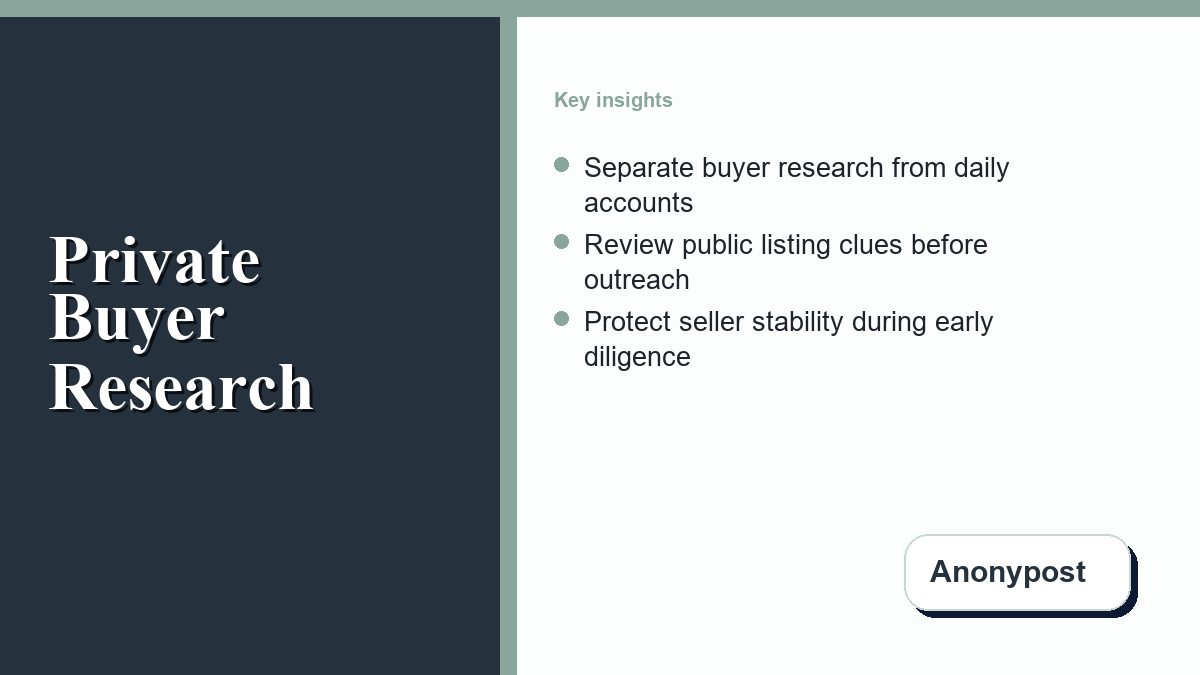
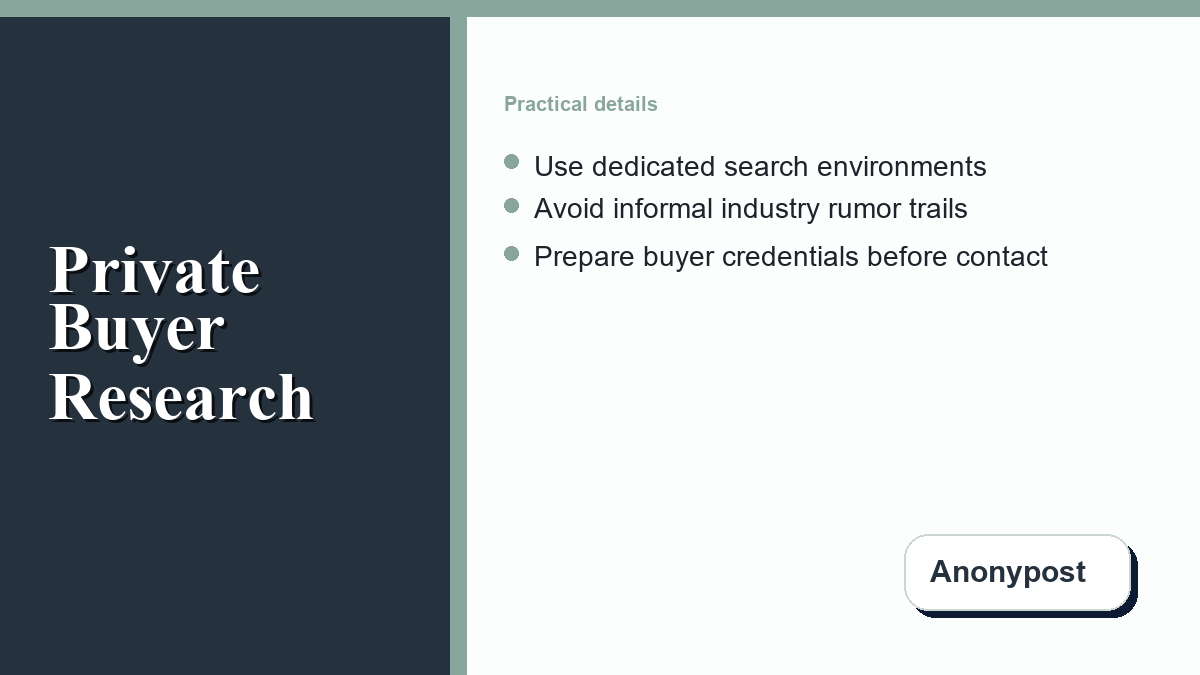
The internet has simplified the initial search process, but it also creates digital footprints that can compromise confidentiality. When conducting research, prospective buyers often look for ways to protect their identity. Just as individuals seek anonymous views in public discussions to observe trends without exposing their profile, business buyers benefit from separate research habits when evaluating companies. This can include dedicated search environments, private browsing modes, and avoiding direct inquiries from corporate email addresses or professional accounts that immediately link back to current operations.
The Imperative of Confidentiality in Early-Stage Research
Why is confidentiality so critical during the early phases of assessing businesses? The primary reason is that market speculation can destabilize a target company. If employees learn that an owner is contemplating a sale, they may begin searching for other employment, leading to key staff departures and a subsequent drop in business value. Furthermore, vendors might tighten credit terms, and competitors could use the rumors to poach clients. For the buyer, maintaining a low profile preserves negotiating leverage and ensures that the business remains stable during the transition period. A business that loses its core team or customer base during the sale process becomes significantly less valuable.
To prevent these issues, sophisticated buyers treat information hygiene as a core protocol. This involves segregating research activities from daily business operations. For instance, while some web developers look at anonymous social media platforms to understand the technical architecture of secure communication, business buyers need practical, offline measures to maintain confidentiality. This means establishing a separate, professional entity or utilizing third-party representation to screen opportunities before any direct communication occurs. It also means educating your immediate partners on the importance of nondisclosure.
Practical Steps for Information Hygiene and Listing Review
Reviewing public listings requires a critical eye and analytical patience. Many online business directories present summaries, often called ‘teasers’, which describe the business’s industry, general location, and basic financial metrics without revealing its name. A buyer’s goal during this phase is to extract as much context as possible from these teasers without prompting the listing agent for more details too soon. You can often cross-reference the stated revenue, geographic region, and employee count with public databases to narrow down the identity of the target company on your own. This desk research allows you to build a list of potential targets before ever requesting a confidential information memorandum.
During this stage of review, understanding regional market dynamics is crucial. For example, reviewing a Fort Wayne business acquisition market update can help you assess whether local buyer demand is driving higher multiples. Knowing whether the local market is experiencing heavy buyer pressure or if owners are highly motivated gives you a realistic benchmark. This allows you to evaluate the quality of the listing’s asking price based on macroeconomic data rather than relying solely on the seller’s representations. Understanding these local indicators ensures that you do not overpay or enter negotiations with unrealistic expectations.
Additionally, keeping research activities siloed can reduce the chance that search engines and advertising networks build a profile of your intent. In the same way that users explore anonymous platforms for current topics to discuss sensitive events without personal exposure, prospective acquisition buyers should maintain practical data hygiene during their search. Use separate devices where appropriate, avoid saving sensitive search queries on shared computers, and keep early research separate from daily company accounts.
Avoiding Common Exposure Traps
Many buyers inadvertently expose their identity through informal networking or indirect inquiries. A common trap is asking industry peers for information about listings in a specific ZIP code. In tight-knit business communities, even a vague query can easily be traced back to the interested party. Another exposure risk comes from public records searches. While researching zoning laws, building permits, or corporate registrations is standard due diligence, doing so in a way that links directly to your personal name or current company can tip off alert business owners. Similarly, contacting suppliers or customers of the business under the guise of general market research can raise red flags if the industry is highly specialized.
Instead, conduct your preliminary investigations using aggregated industry reports and public statistical sources. Focus on understanding sector-wide trends, average profit margins, and typical capital expenditure requirements. By building a robust understanding of the industry benchmarks independently, you reduce the number of questions you will eventually need to ask the seller. This makes your eventual formal inquiry more efficient and professional, minimizing the time spent in the high-risk disclosure window before an NDA is signed. It also demonstrates to the broker that you are an informed buyer who understands the industry’s fundamentals.
Transitioning from Private Research to Professional Outreach
Once you have identified a viable target and completed initial private research, the next step is more formal outreach. This stage usually moves through structured confidentiality practices before proprietary operational or financial details are shared. A well-drafted nondisclosure agreement can define what information is confidential, how it may be used, and who may see it. Buyers should rely on qualified counsel for document review, but the practical point is simple: formal process protects the seller’s sensitive information while giving the buyer a cleaner path into diligence.
To ensure the transition is smooth, prepare your own background materials. Sellers want to know that they are dealing with a qualified buyer who has the financial capacity and operational expertise to close a transaction. Having a professional biography, a high-level summary of your acquisition criteria, and proof of funds ready will demonstrate your seriousness. By presenting yourself as a prepared and disciplined buyer, you build trust with the seller’s representatives, which is essential for facilitating open discussions and achieving a mutually beneficial outcome. This preparation shows that you respect the seller’s need for confidentiality and are committed to a structured, professional process.
Ultimately, the success of a business acquisition relies on a balance of thorough due diligence and strict confidentiality. By conducting early-stage research in a secure and systematic manner, you protect the target company’s stability, preserve your negotiating leverage, and lay the groundwork for a smooth transition of ownership. Taking the time to build a solid information barrier early in the process is a hallmark of professional deal-making. In a competitive acquisition market, discretion is not just a safety measure; it is a strategic advantage that can define the outcome of the entire transaction.