
Establishing a professional digital presence is a vital first step for any new online project, anonymous research endeavor, or small business setup. When configuring a custom domain name, setting up secure and private email accounts is typically the top priority. For many developers and independent operators, Google Workspace is the standard choice for email hosting because of its reliable delivery, robust spam filtering, and suite of productivity tools. However, as teams add seats and storage limits expand, software-as-a-service (SaaS) monthly licensing costs can accumulate quickly. This has led many domain buyers and operators to search for a google workspace promo code or coupon code before completing their registration.
While looking for discount opportunities is a sound budgeting practice, coupon-hunting on the modern web introduces significant privacy and security risks. The online coupon ecosystem is heavily dominated by low-quality aggregator websites, adware scripts, and invasive lead-generation networks. For individuals and teams who value data privacy, conducting this research without exposing domain names, billing information, or contact emails is a critical challenge. Understanding how these tracking networks operate and following a secure, anonymous methodology for finding a google workspace promo is essential to keeping your setup clean and secure.
The Privacy Risks of Coupon Aggregation Networks
A simple search query for software coupons will return millions of results, but clicking through these listings often exposes the user to aggressive data harvesting. These directories rarely function as simple informational resources. Instead, they rely on a business model designed to maximize user tracking and affiliate attribution. From a privacy perspective, the risks of standard coupon sites include:
- Session Tracking and Cookie Stuffing: Many coupon directories utilize complex redirection sequences that drop tracking cookies from multiple third-party advertising networks. These cookies monitor the user’s browsing behavior, tracking which SaaS sites they visit and what products they buy.
- Browser Fingerprinting: Low-quality discount portals often run background scripts that analyze the visitor’s browser configuration, active plugins, operating system, and IP address. This creates a persistent digital fingerprint that allows marketing networks to profile the user across different sessions.
- Data Harvesting for Leads: Some deceptive sites require users to register an account, supply an email address, or enter their new domain name to “unlock” a specific coupon code. Because domain registration details are public records (unless WHOIS privacy is active), marketing platforms combine these data points to build detailed profiles of new business operators.
- Adware and Phishing: Some portals prompt users to download a helper browser extension that promises to automatically apply the best coupon at checkout. These extensions often demand permissions to read and modify data on all websites visited, which can capture sensitive payment details or admin console actions.
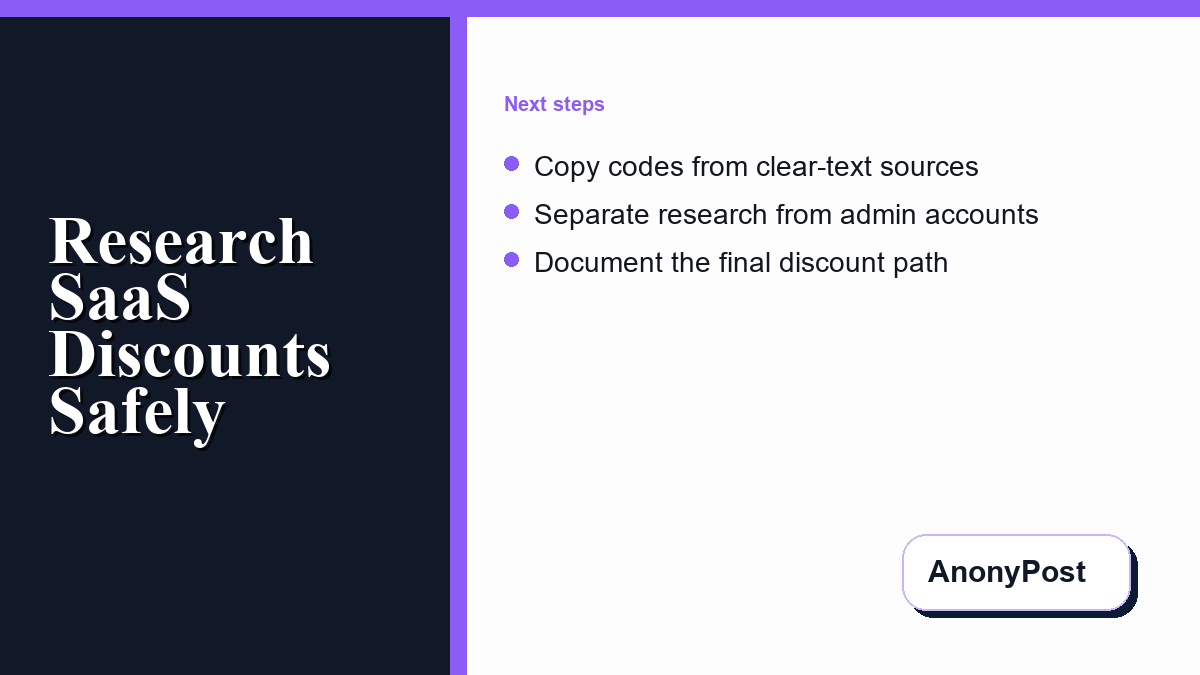
To avoid these intrusive tracking methods, domain buyers should look for clean, transparent partner directories. Sourcing promotional details from direct, plain-text guides—such as the verified directory at https://digitalmarketingwebdesign.com/google-workspace-promo-code/—allows you to copy valid codes without running scripts, registering accounts, or exposing your browser session to cookie stuffing.
Understanding Google Workspace Referral Mechanics
To evaluate SaaS deals safely, operators must understand the underlying structure of Google’s referral system. A google workspace discount is not a generic sitewide code that can be automatically applied by browser extensions. Google’s program relies on unique, single-use promotional codes generated by authorized referral partners. These codes provide a 10% discount on the first year of service for new domain signups.
This system has several specific characteristics that affect how users should research and apply codes:
- Plan and Region Specificity: A google workspace discount code is lock-bound to a specific pricing tier and geographical region. For example, a code generated for the Business Starter plan in the Americas region will be rejected if applied to a Business Standard plan or an account registered in Europe.
- Single-Use Limits: Each referral code can only be used once. Once an administrator applies a code to a new account checkout, that specific code is marked as redeemed and becomes invalid for all other users.
- Referral Link Activation: To redeem a google workspace coupon, the browser session must first be cookie-tagged by clicking a verified partner referral link. Once the referral session is established, the user can apply the specific promotion code during the billing setup phase.
Because codes are single-use, low-quality sites that display the same code for months are invariably hosting expired or invalid data. Legitimate partners manage these lists by publishing pools of active single-use codes, instructing buyers to try subsequent codes in the table if the first one has already been claimed by another registrar.
A Privacy-Conscious Checklist for SaaS Diligence
If you need to check for a google workspace offer or verify signup costs while maintaining maximum privacy, implement the following security checklist:
1. Secure the Domain WHOIS Records First
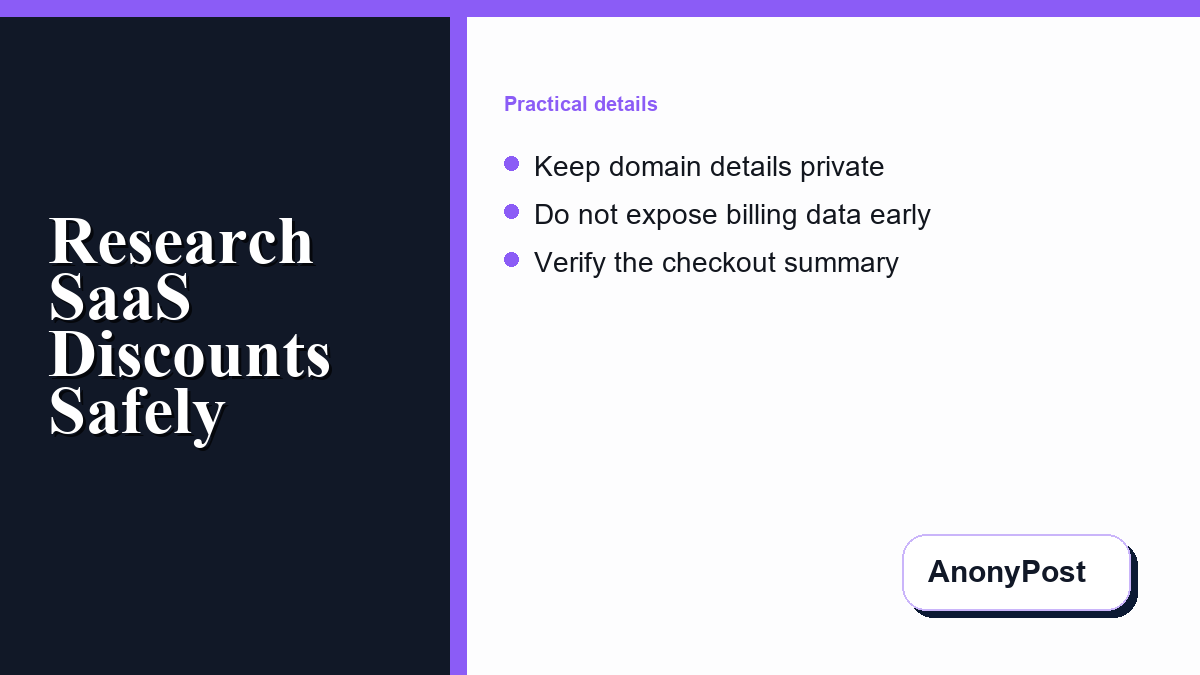
Before setting up any corporate email or registering for business software, ensure your domain registrar has WHOIS privacy protection active. If your registration name, email, and phone number are public, marketing scrapers will target your contact info the moment you register your domain.
2. Run Signup in an Isolated Session
Always open referral links and complete the billing process in a clean private or incognito window. Ensure that all browser extensions—especially automated coupon helpers—are disabled. This prevents third-party scripts from reading your cart contents or overwriting your referral cookies with their own affiliate links.
3. Look for Plain-Text Presentation
Only source promotion codes from websites that display them in clear, static text. If a site requires you to click a button that opens popup windows, requests your email, or forces you to download a utility, close the tab immediately. Legitimate partner directories will share codes openly and disclose their affiliate relationship transparently.
4. Verify Pricing Adjustments Directly in the Console
A legitimate google workspace referral code will apply a 10% reduction to your checkout total. For the Business Starter plan, this reduces the annual cost from $7 per user per month to $6.30. For Business Standard, it drops the rate from $14 to $12.60. Do not submit your billing card if the Google billing console shows a coupon error. If a code fails, simply go back to the directory list, copy the next unredeemed google workspace coupon code, and apply it in the console.
Conclusion
Protecting your online privacy and operational security is just as important as optimizing your business budget. By avoiding invasive coupon networks and utilizing clean, plain-text partner resources, domain buyers can safely secure legitimate SaaS discounts. Taking a few extra precautions during checkout ensures your business infrastructure remains secure, private, and professional from the very beginning.
Any rigorous evaluation of new software must balance budget considerations with strict privacy standards. It makes sense to thoroughly check Workspace costs before committing, especially when exploring promotional networks that might harvest your contact information. By relying on official channels or trusted referral mechanics rather than shady aggregators, administrators can verify pricing structures without compromising sensitive operational data during the diligence process.