

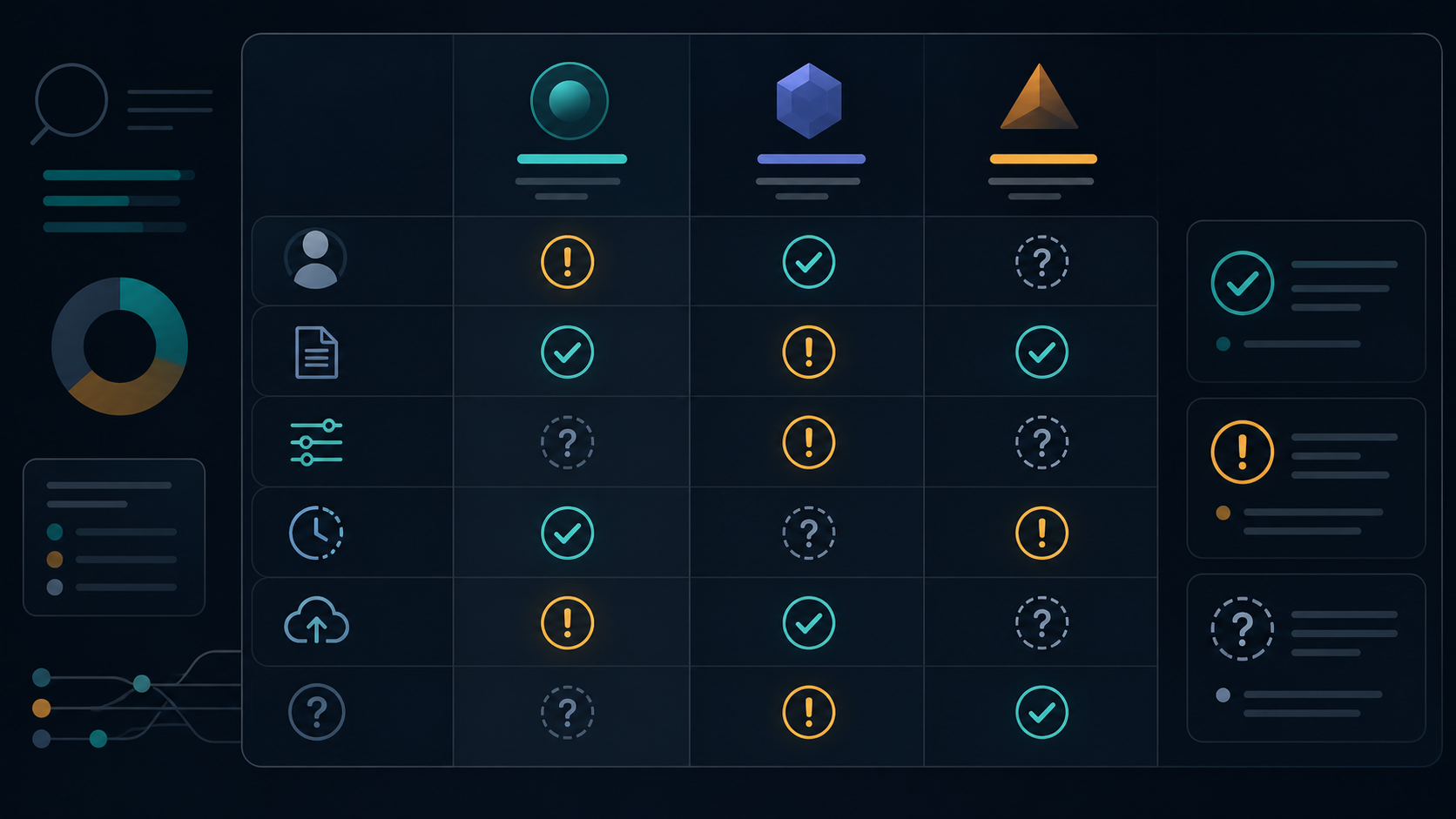
Confidentiality problems in a business sale rarely begin with an obvious leak. More often, they begin with a well-meaning owner forwarding a detailed question to a manager, sending a customer list before the buyer is qualified, or letting a prospective buyer know more than the business needs to disclose at that stage. Once that information has moved outside the owner’s control, it is difficult to put it back.
A practical confidentiality plan does not stop a sale process. It creates an orderly way to decide who receives information, when they receive it, and what they need to know before the next document is released. That makes the process easier on the owner and more credible to serious buyers.
Start With an Information Ladder
Not every inquiry deserves the same answer. A first conversation can usually stay at the level of industry, broad geography, revenue range, and the reason the owner is considering a transition. A buyer who wants detailed customer names, employee compensation, contracts, or a precise location before explaining their background is asking to skip several sensible steps.
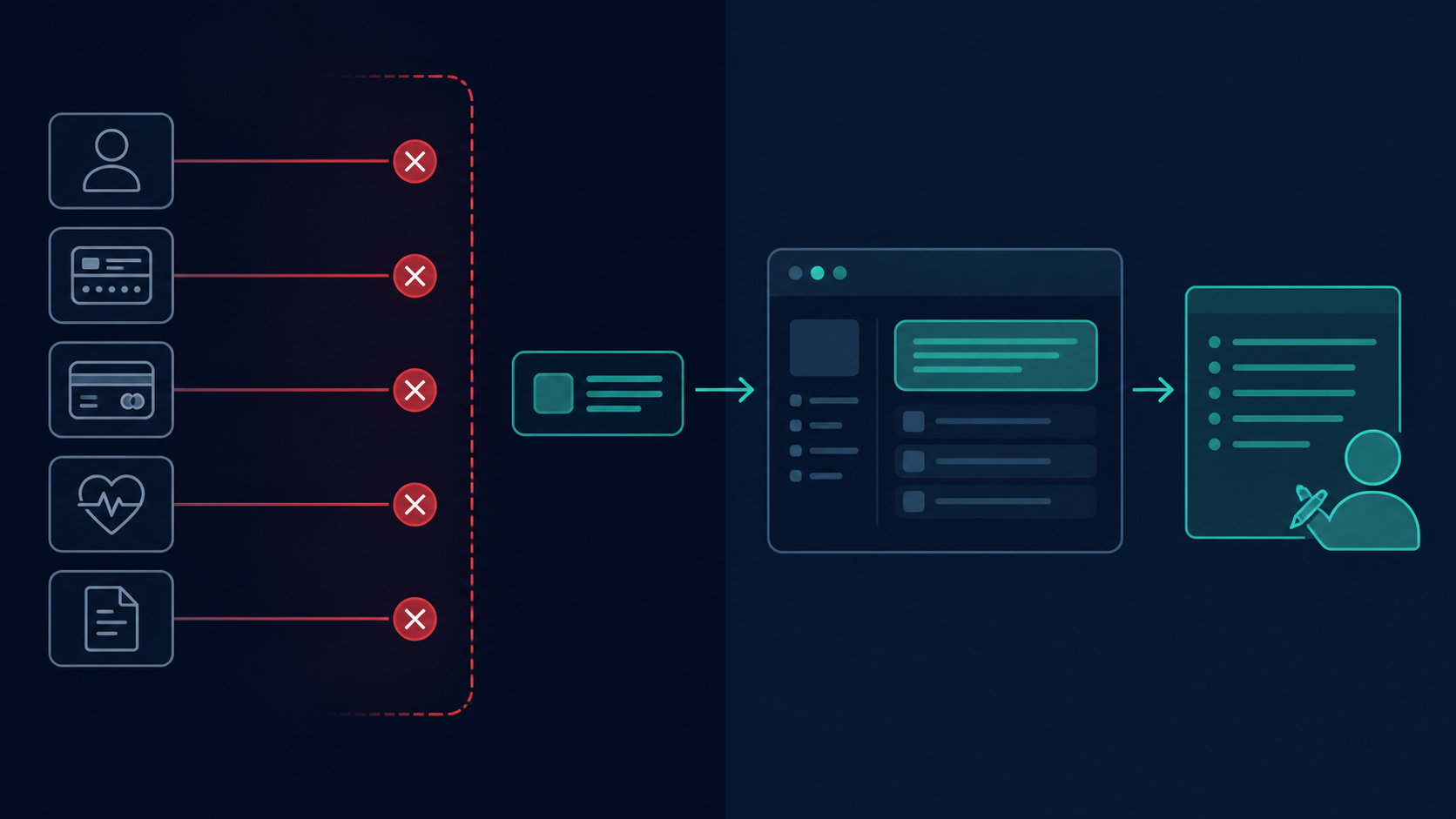
Owners should decide in advance which information belongs in each stage. A short anonymous overview can introduce the opportunity without identifying the company. A qualified buyer can receive a fuller summary after sharing enough information about their operating experience, funding plan, and acquisition criteria. Detailed files should follow only when the conversation has earned that access and the owner is comfortable with the safeguards in place.

This approach avoids the common trap of rebuilding the process every time a new inquiry arrives. It also gives an owner a simple answer when a request comes too early: that document is available later in the review sequence.
Separate Identity From Operating Facts
A sale process can share useful operating facts without immediately sharing identity. The goal is not to hide the business from a legitimate buyer forever. It is to protect staff, customers, vendors, and the owner while the buyer is still deciding whether the opportunity fits.
Before a buyer is cleared for deeper review, an owner can describe the customer mix in broad categories, summarize the team without naming individuals, and explain the operating model without attaching every contract. This gives a buyer enough context to make a serious decision about whether to proceed. It also prevents a curious party from using a preliminary conversation as a free research project.
When identity is eventually disclosed, the owner should know exactly which materials have been shared and with whom. A simple release log is more useful than trying to reconstruct a sequence from email threads after the fact. Record the date, the recipient, the documents, and any conditions that accompanied the release.
Keep Employee and Vendor Questions on a Need-to-Know Basis
Employees can become anxious quickly when they sense an unexplained change in ownership. Vendors may react by changing terms, extending credit more cautiously, or asking questions the owner is not prepared to answer. That is why a confidentiality plan should include a clear internal rule: no one discusses a possible transaction outside the designated group until the owner has chosen the appropriate time and message.
This does not mean that every buyer question has to be ignored. It means the owner prepares non-identifying schedules and decides whether a question can be answered from those schedules. If an eventual site visit or management introduction is required, it should happen because the buyer has reached that stage, not because someone wanted an early tour.
Use a Controlled File Room Instead of an Email Trail
Email is convenient, but it is a poor long-term record of sensitive document sharing. Files get forwarded, links remain active longer than intended, and copies end up in personal folders. A controlled file room does not need to be complicated. Its purpose is to keep financial statements, contracts, equipment lists, and customer information in one place where access can be reviewed and narrowed when needed.
The file room should reflect the information ladder. Start with a concise introduction and operating summary. Keep detailed materials in separate folders so they are not released by accident. Before uploading a document, remove unnecessary identifiers and make sure the copy is current enough to support the conversation.
Buyers also benefit from an orderly file room. A serious buyer can understand what is available, ask focused questions, and avoid the impression that the owner is improvising. The buyer-side habits in this confidential business research guide are a useful complement because a careful buyer should respect the same boundaries a careful seller establishes.
Choose an Advisor Before the Information Pressure Builds
Confidentiality is easiest to protect before several buyers are asking for materials at once. Owners who plan to sell a local company can benefit from choosing a process leader before they circulate an opportunity. An experienced advisor can help prepare the first overview, organize the release sequence, screen inquiries, and keep the owner from having to make a new disclosure decision every evening.
For an Indiana owner who needs help structuring that process, Midwest Business Brokers is a practical starting point for a confidential conversation about a Fort Wayne business sale. The important point is to use a process that protects the business while still giving qualified buyers enough information to move forward.
A Short Pre-Release Checklist
- Decide what a first inquiry can learn without identifying the company.
- Prepare a qualification checklist before releasing detailed information.
- Keep customer names, employee details, and contract files behind a later access step.
- Track every document release in one place.
- Plan how a site visit, management introduction, or landlord conversation will be handled.
- Get appropriate legal and financial advice for documents that require it.
A confidential sale is not a secret forever. It is a disciplined sequence that prevents premature disclosure from distracting the business that the owner is trying to transition.